

Efectul placebo în psihoterapie generează rezultate terapeutice semnificative, influențate de așteptările pacienților și mediul terapeutic. Totuși, utilizarea sa ridică probleme de consimțământ informat, înșelăciune și riscul de a ascunde mecanismele reale de schimbare. Este esențial să se exploreze aceste aspecte pentru a asigura etica și eficiența terapeutică.

Când Efectul Pasării Dodo ne induce în eroare
Efectul Dodo Bird sugerează că toate terapiile sunt egale în eficacitate, dar această idee încurajează pseudoștiința, care profită de relația terapeutică și speranța clienților. Terapiile validate științific integrează tehnici dovedite pentru soluționarea problemelor reale, oferind rezultate durabile, în contrast cu abordările nevalidate care pot agrava situația.

Factorii Comuni în Terapie: Mitul „Tehnicii Magice” și Adevărul Dincolo de Cabinet
Articolul pune în discuție importanța relației terapeutice și a resurselor personale în procesul de terapie, evidențiind că tehnicile reprezintă doar 15% din succes. Majoritatea progresului depinde de client, care este principalul agent al schimbării. Conexiunea și sprijinul social sunt esențiale pentru o terapie eficientă.
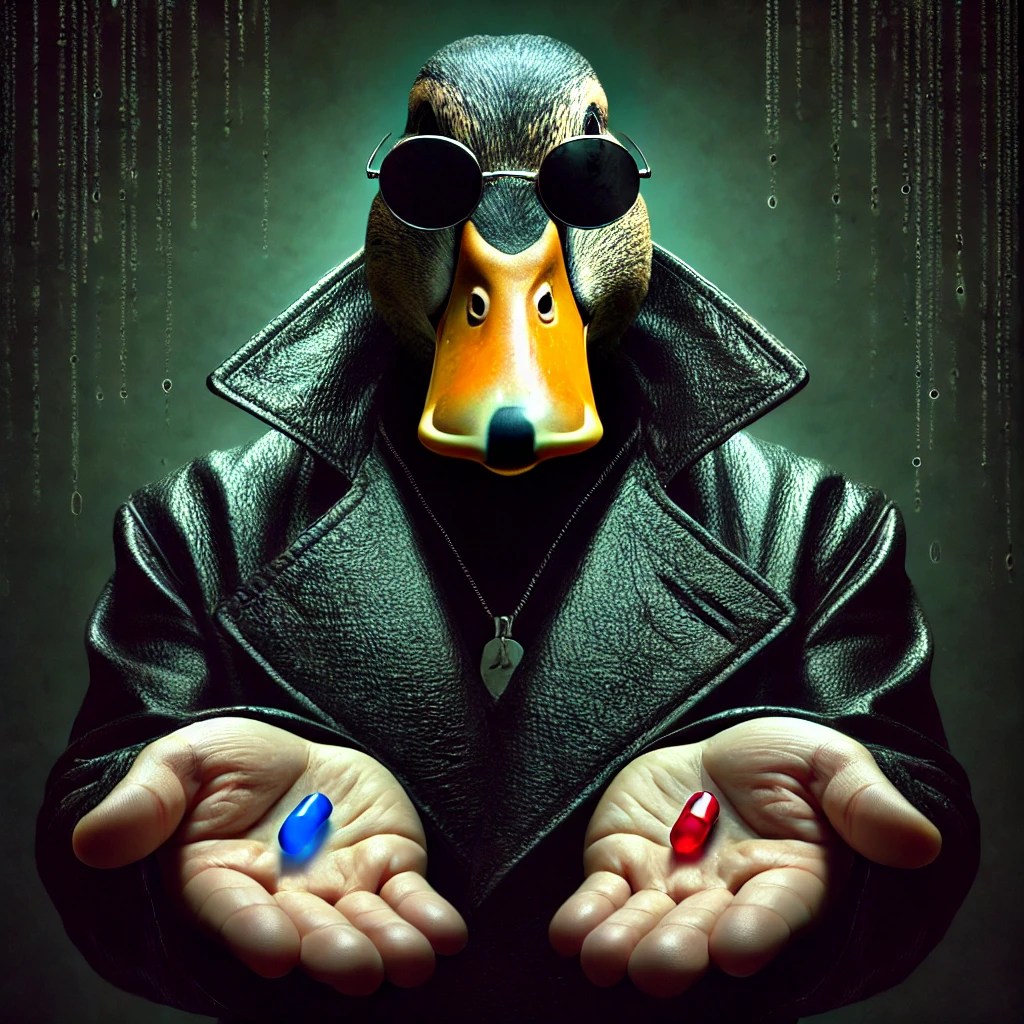
Efectul Placebo în Psihoterapie: Utilizare Corectă și Abuzuri
The placebo effect in the medical field is well-known, where patients experience symptom improvement simply because they believe the treatment they are receiving is effective, even if it has no active therapeutic properties. In psychotherapy, the placebo effect can play a significant role in treatment success when used appropriately. However, there is also the risk of abuse by practitioners of pseudo-psychology who exploit this effect unethically. The placebo effect operates through the patient's positive expectations and the therapeutic relationship, triggering biological and psychological responses that lead to real symptom improvement. This can be mediated by the release of neurotransmitters such as dopamine and endorphins, which can reduce pain and improve well-being. In psychotherapy, the placebo effect can be used ethically and effectively to enhance therapy benefits through building a trusting therapeutic relationship, therapeutic rituals, and positive suggestions. However, some practitioners abuse the placebo effect unethically and potentially harmfully by selling ineffective products, promoting unvalidated techniques, and emotionally manipulating patients. The placebo effect can be a valuable ally in psychotherapy when used ethically and informatively, but its abuse by pseudo-psychologists poses a real danger to patients. Education, awareness, and evidence-based practice promotion are essential to protect public mental health and ensure that the benefits of psychotherapy are safely and effectively accessible to all.

