

This article discusses the concept of worrying, differentiating between useful and unhelpful worries. It introduces the worry postponement method, which involves scheduling specific times to address worries, allowing individuals to set aside unproductive thoughts. By practicing this technique, one can regain control, reduce anxiety, and improve overall well-being.

[EN] Tapping: The Good, the Bad, and the Ugly
View this article in EN/RO Tapping, also known as Emotional Freedom Techniques (EFT), has surged in popularity as a self-help method promising relief from emotional distress, anxiety, and even physical pain. Often presented as a blend of traditional Chinese medicine and modern psychology, tapping involves rhythmically tapping on specific meridian points on the body while … Continue reading [EN] Tapping: The Good, the Bad, and the Ugly

[EN] The Young Schema Questionnaire (YSQ) and Schema Therapy
The Young Schema Questionnaire (YSQ) identifies early maladaptive schemas that influence adult behavior and emotions, developed by Jeffrey Young. Schema therapy integrates cognitive and experiential methods to treat psychological issues. It categorizes schemas into five domains, aiding personalized interventions and promoting self-awareness while emphasizing the need for specialist guidance in interpretation.

[EN] Understanding Changes in Therapy Practices in a Post-Abortion Landscape
The Supreme Court's Dobbs decision in 2022 overturned Roe v. Wade, ending federal abortion rights and allowing states to impose their regulations. This shift complicates therapy for mental health professionals, leading to potential privacy concerns, changes in informed consent, cautious discussions about reproductive health, and the necessity for therapists to navigate state laws carefully.

[EN] Understanding Unrelenting Standards in Schema Therapy
Schema Therapy discusses unrelenting standards as a maladaptive schema linked to chronic stress, burnout, and low self-worth. Individuals respond through surrender, avoidance, or overcompensation. Strategies to overcome these standards include practicing self-compassion, embracing imperfection, and prioritizing downtime, fostering healthier self-relationships and enhancing overall well-being.
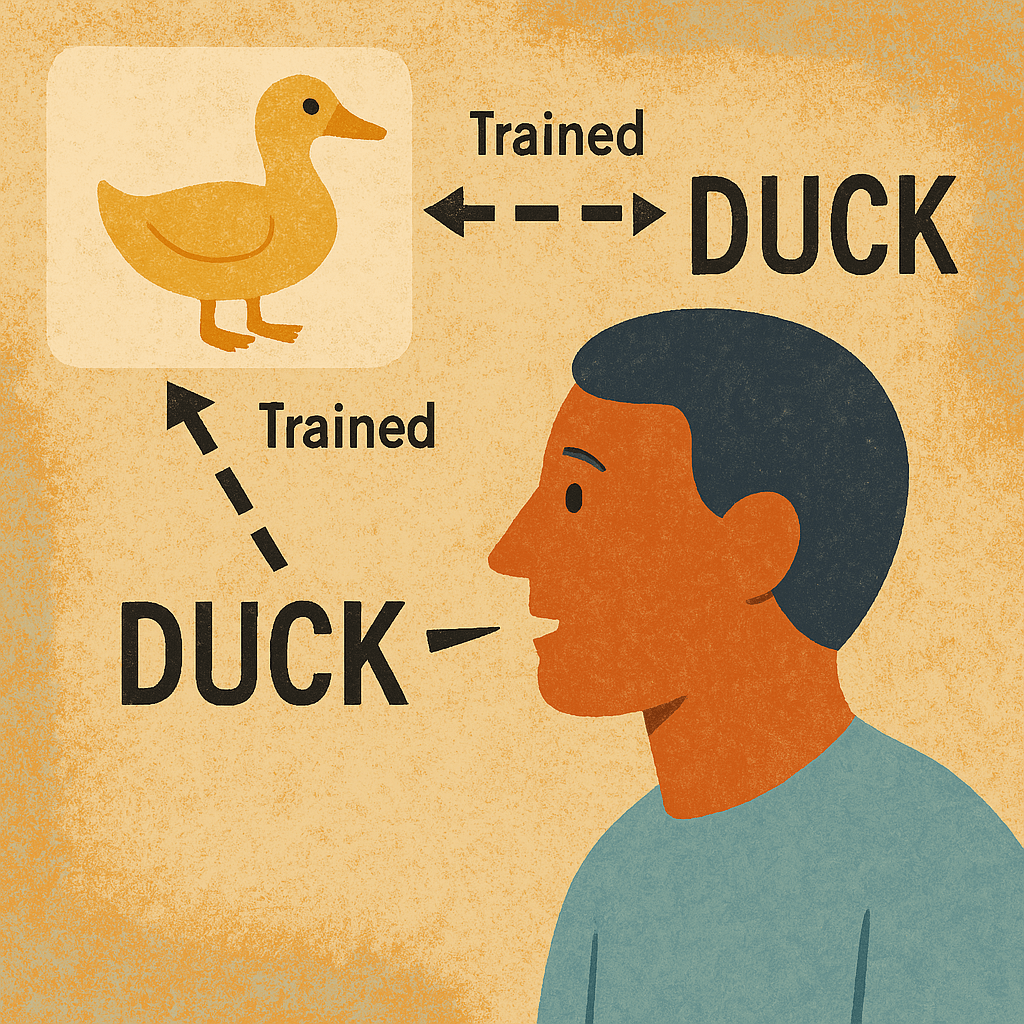
Introduction to Relational Frame Theory
Relational Frame Theory (RFT) enhances understanding of human language and cognition. It explains how language processes govern behavior, revealing the significance of relational responding. RFT highlights contextual control, bidirectionality, and combinatorial entailment in human verbal interactions, while emphasizing that verbal knowledge profoundly influences psychological experiences and behaviors, including aversive emotional states and reactions.
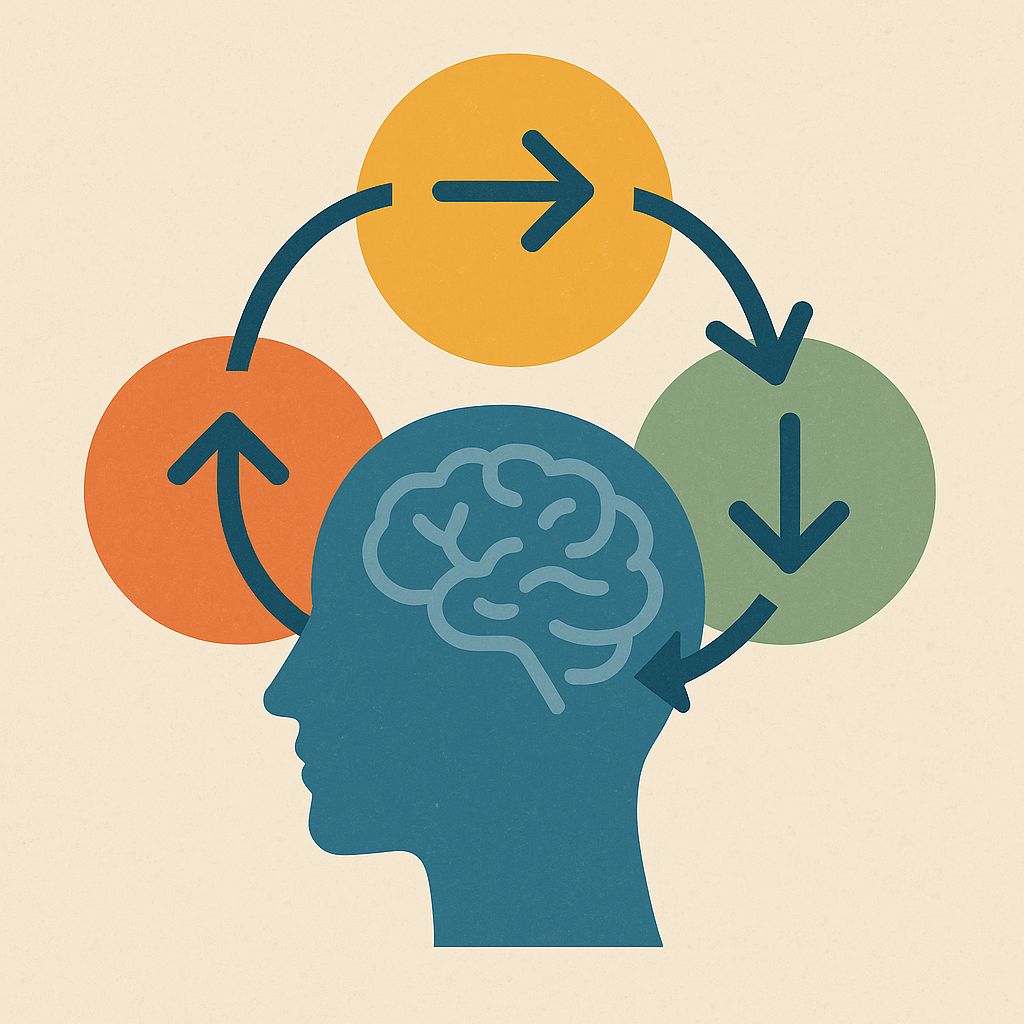
A Short Introduction to RFT
The core of RFT is that verbal humans have the ability to relate things to each other—even relations that are not immediately obvious and that have never been learned before—and these relations can alter how these things function or the effect they have on individuals. By “relations” we mean all the ways we might describe … Continue reading A Short Introduction to RFT

Va invit la o lectura in engleza (daca nu stiti, va invit pe pagina cu admiratorii)
[EN] Testimonials Aren’t Real Evidence By Jamie Hale, M.S. ~ 2 min read Testimonial evidence exists for pretty much any claim that has ever been devised — alien abductions, demon possessions, miracle medical cures and the like. One needs to look no further than the dietary supplement industry to see the influence of testimonials. In fact, … Continue reading Va invit la o lectura in engleza (daca nu stiti, va invit pe pagina cu admiratorii)
 psihobubu