

Articolul abordează malpraxisul în terapie, subliniind importanța unei practici etice pentru sănătatea mintală. Se discută principii fundamentale precum respectul pentru demnitate, confidențialitatea și competența profesională. De asemenea, sunt evidențiate criteriile pentru identificarea malpraxisului și măsuri de prevenire, precum educația continuă și supervizarea.

Transparența în terapie: putem exagera?
Articolul Go Open: Un apel pentru transparență în psihoterapie de Jens Gaab, Charlotte Blease, Cosima Locher și Heike Gerger este o explorare detaliată a implicațiilor etice, științifice și clinice ale relației dintre psihoterapie și efectele placebo. Autorii susțin că este necesară o mai mare transparență și claritate în modul în care psihoterapia este înțeleasă, practicată … Continue reading Transparența în terapie: putem exagera?

Dezbaterea asupra psihoterapiei bazate pe dovezi: Construirea unui pod între știință și practică
The recent article by Moriana and Gálvez-Lara, published in Papeles del Psicólogo, delves deeply into the complex landscape of psychotherapies and psychological treatments, highlighting the ongoing debate between scientific evidence and clinical practice. It explores the tension between common factors and specific techniques, the rise of evidence-based treatments, challenges in applying randomized controlled trials in therapy, proliferation of pseudotherapies, and the gap between research and practice in psychology. The authors also address the challenges in defining and diagnosing mental disorders and propose recommendations to improve research and practice in psychotherapy. Overall, the article presents a balanced vision of the challenges facing clinical psychology and paves the way for a more evidence-based and clinically relevant psychotherapy.
Terapiile Blu Room: Exagerarea Efectelor și Realitatea Științifică
In an era of unprecedented technological and medical innovation, alternative therapies are gaining ground. One such therapy, the Blu Room, is promoted as a revolutionary method for improving well-being, mental and physical health. However, critical analysis reveals exaggerated claims with lacking scientific support. Blu Room therapy involves intense exposure to blue light in a controlled environment, purported to stimulate the body's natural healing processes. Supporters claim it can reduce stress, alleviate chronic pain, improve sleep, and even treat more serious conditions such as depression and anxiety. However, many of these claims lack robust scientific evidence and may present potential risks. Despite its potential allure, it is essential to approach Blu Room therapy with skepticism and demand clear, rigorous evidence before accepting its claimed effects, as promoting unvalidated therapies could pose risks to users' health.
Explorând Limitările Abordărilor Științifice în Psihologie
The article discusses the benefits and limitations of a strictly scientific approach in psychology. It acknowledges the progress made through rigorous testing of theories but warns against discouraging exploration of non-scientific topics. The author proposes embracing non-science for ideas not yet ready for empirical testing, potentially leading to more comprehensive and scientifically grounded theories.

Criza replicabilității: de ce suferă psihologia științifică
Psihologia, ca știință, a parcurs un drum lung de la începuturile sale până la recunoașterea actuală ca disciplină academică și practică esențială. Deși tânără în comparație cu alte științe, psihologia a devenit vitală pentru înțelegerea comportamentului uman și a proceselor mentale, influențând domenii precum educația, sănătatea mentală, justiția și politica. Cu toate acestea, psihologia se … Continue reading Criza replicabilității: de ce suferă psihologia științifică
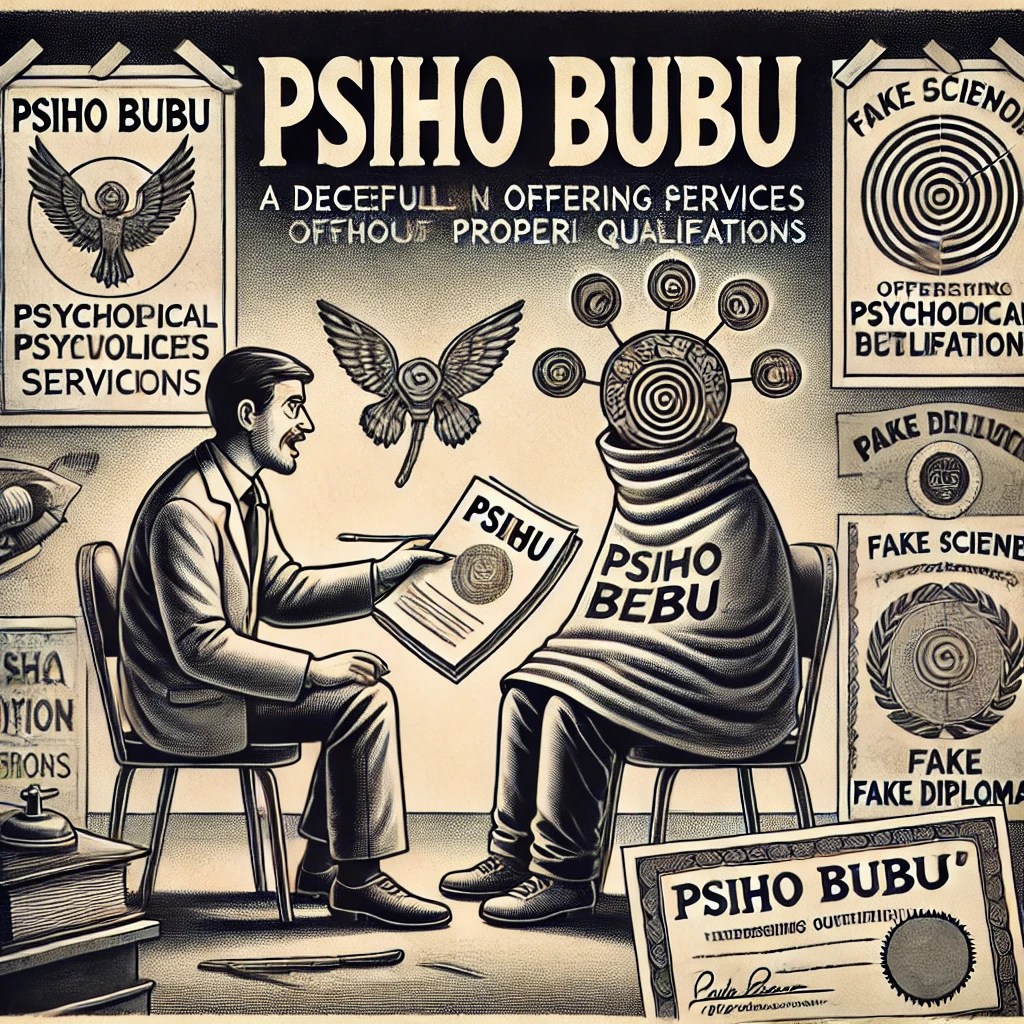
Am întrebat 100 de Români. Nu! Stai… Am întrebat chatGPT „Ce este psihobubu?”
Am întrebat chatGPT „Ce este psihobubu?”Ei bine, în acest episod din „Omul și inteligența” aflați ce a răspuns:
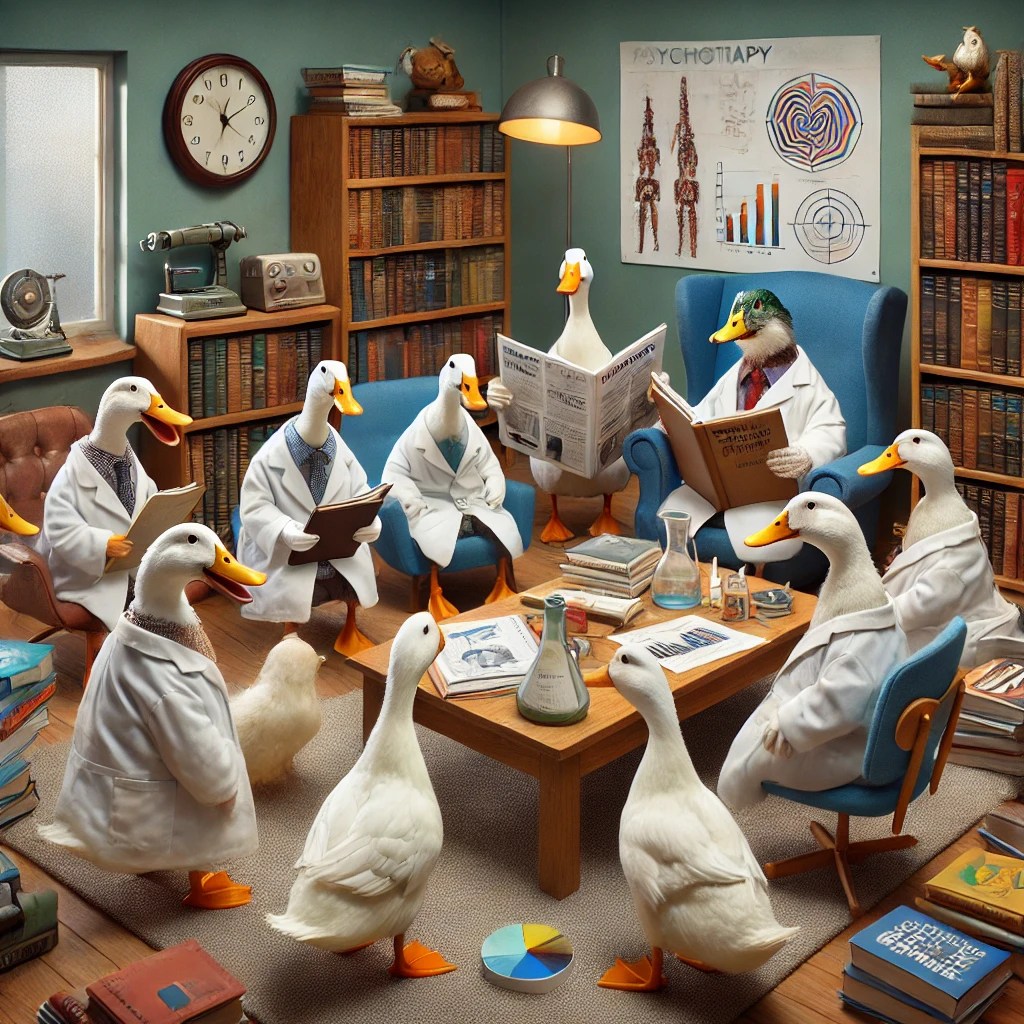
Limitele cercetării în psihoterapie
In psihoterapie, cercetarea a evoluat, dar există limite precum controlul experimental vs. reprezentativitatea eșantionului, diagnosticele categoriale vs. abordarea transdiagnostică, și efectul păsării dodo. Este esențială înțelegerea mecanismelor de schimbare pentru a îmbunătăți eficacitatea terapiilor. Abordarea integrativă este crucială pentru depășirea acestor limite.
 psihobubu