
Psihoterapia, deși eficientă, poate avea efecte negative asupra pacienților, cum ar fi agravarea simptomelor sau dependența de terapeut. Dr. David H. Barlow subliniază că este esențială mai multă cercetare în acest domeniu. Pacienții trebuie să fie informați, să comunice cu terapeuții și să caute potrivirea adecvată pentru a maximiza beneficiile terapiei.
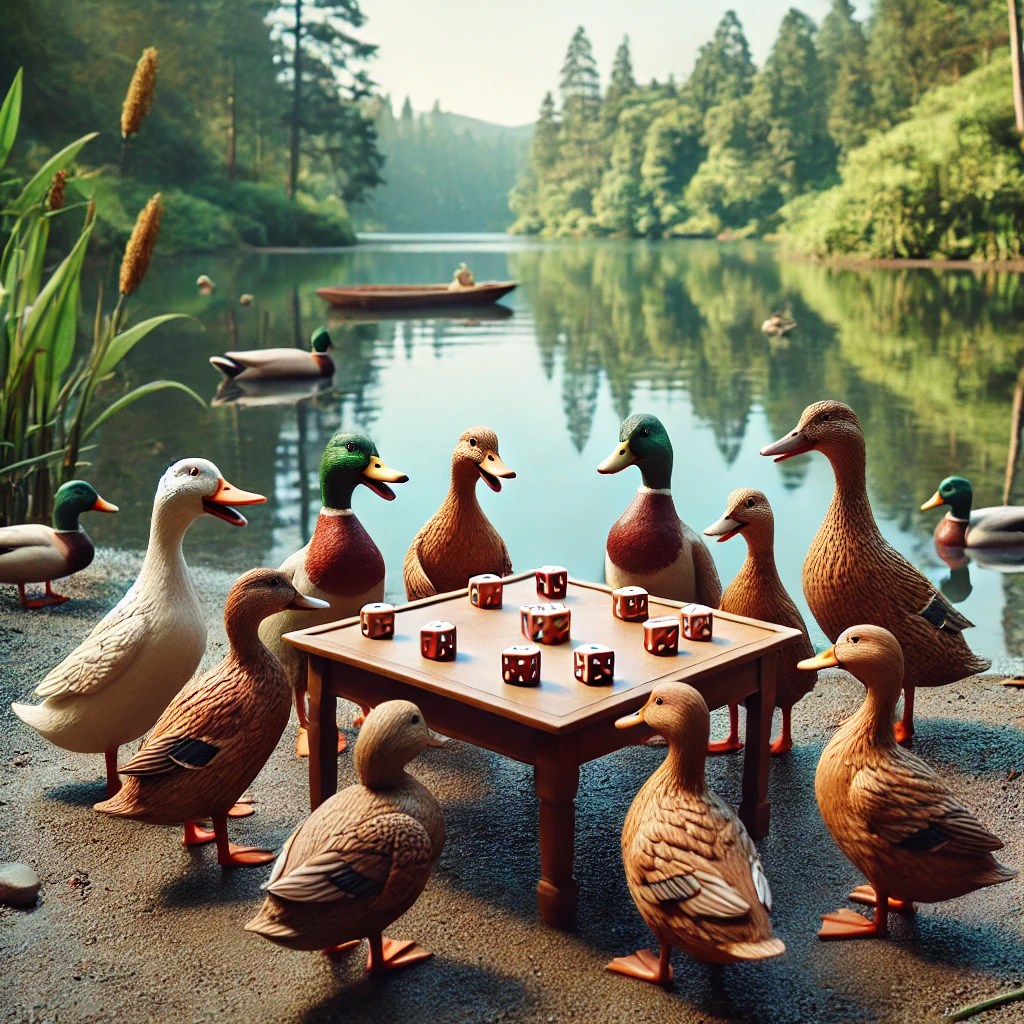
Dependența de jocuri de noroc: Cum să înțelegem și să oferim sprijin
Dependența de jocuri de noroc este o tulburare serioasă care afectează milioane de oameni, având consecințe negative asupra vieții personale și financiare. Este esențial să abordăm această problemă dintr-o perspectivă medicală, oferind suport și empatie. Recunoașterea ajutorului disponibil, precum grupurile de suport, facilitează recuperarea și reduce stigma socială.
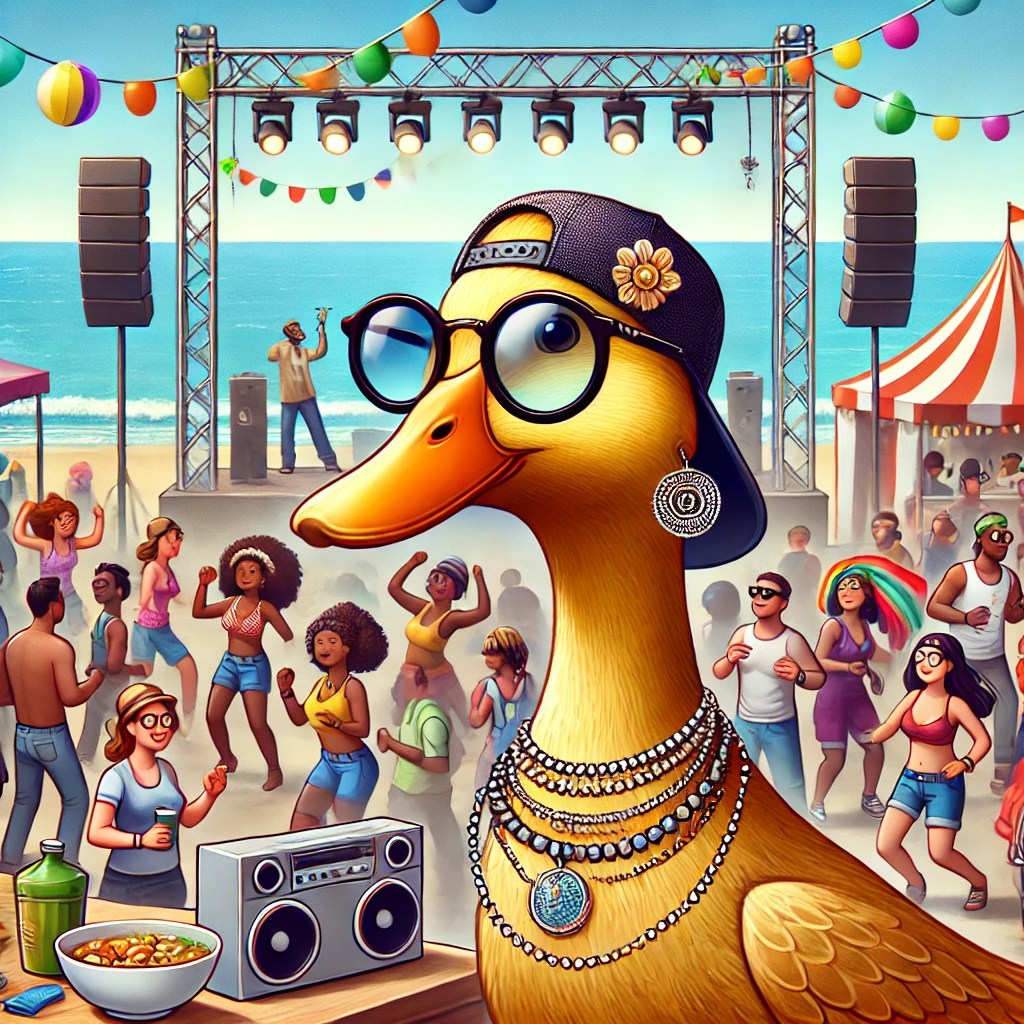
Festivalurile din România: Oglinda unei societăți în transformare?
This summer brought a wave of new major events: at the seaside, in Cluj or in Bucharest, one could not ignore the abundance of festivals that seem to grow from year to year. An interesting feature of these festivals is the choice of their names, which seem to reflect psychological themes or issues. Notable examples include Untold (unsaid), Neversea (never see you again), and Beach Please (provocative). This choice of names raises questions about the cultural motives behind them. In this article, we will explore these aspects from a psychological perspective and attempt to provide some justifications for this pattern. The festival names in Romania seem to reflect a combination of marketing strategies, cultural influences, and psychological realities. Whether they draw attention, reflect culture, or provide a mysterious air, these names play an important role in the success and identity of these events. In a complex and diverse world, they manage to captivate and provoke, inviting us to explore not only music and art, but also our own emotions and perceptions.
 psihobubu