

Efectul Dodo Bird sugerează că toate terapiile sunt egale în eficacitate, dar această idee încurajează pseudoștiința, care profită de relația terapeutică și speranța clienților. Terapiile validate științific integrează tehnici dovedite pentru soluționarea problemelor reale, oferind rezultate durabile, în contrast cu abordările nevalidate care pot agrava situația.

Pseudoștiința VS Psihologia Validată Științific: Când Factorii Comuni Fac Diferența
1. Introducere Psihologia modernă este deseori confundată cu terapiile „alternative” sau abordările pseudoștiințifice care promit rezultate rapide și garantate. Cu toate acestea, factorii comuni – relația terapeutică, speranța și resursele clientului – ne oferă un cadru prin care putem înțelege ce separă intervențiile validate științific de cele pseudoștiințifice. Este important să analizăm diferențele dintre aceste … Continue reading Pseudoștiința VS Psihologia Validată Științific: Când Factorii Comuni Fac Diferența

Terapiile Blu Room: Exagerarea Efectelor și Realitatea Științifică
In an era of unprecedented technological and medical innovation, alternative therapies are gaining ground. One such therapy, the Blu Room, is promoted as a revolutionary method for improving well-being, mental and physical health. However, critical analysis reveals exaggerated claims with lacking scientific support. Blu Room therapy involves intense exposure to blue light in a controlled environment, purported to stimulate the body's natural healing processes. Supporters claim it can reduce stress, alleviate chronic pain, improve sleep, and even treat more serious conditions such as depression and anxiety. However, many of these claims lack robust scientific evidence and may present potential risks. Despite its potential allure, it is essential to approach Blu Room therapy with skepticism and demand clear, rigorous evidence before accepting its claimed effects, as promoting unvalidated therapies could pose risks to users' health.
Efectul Placebo în Psihoterapie: Utilizare Corectă și Abuzuri
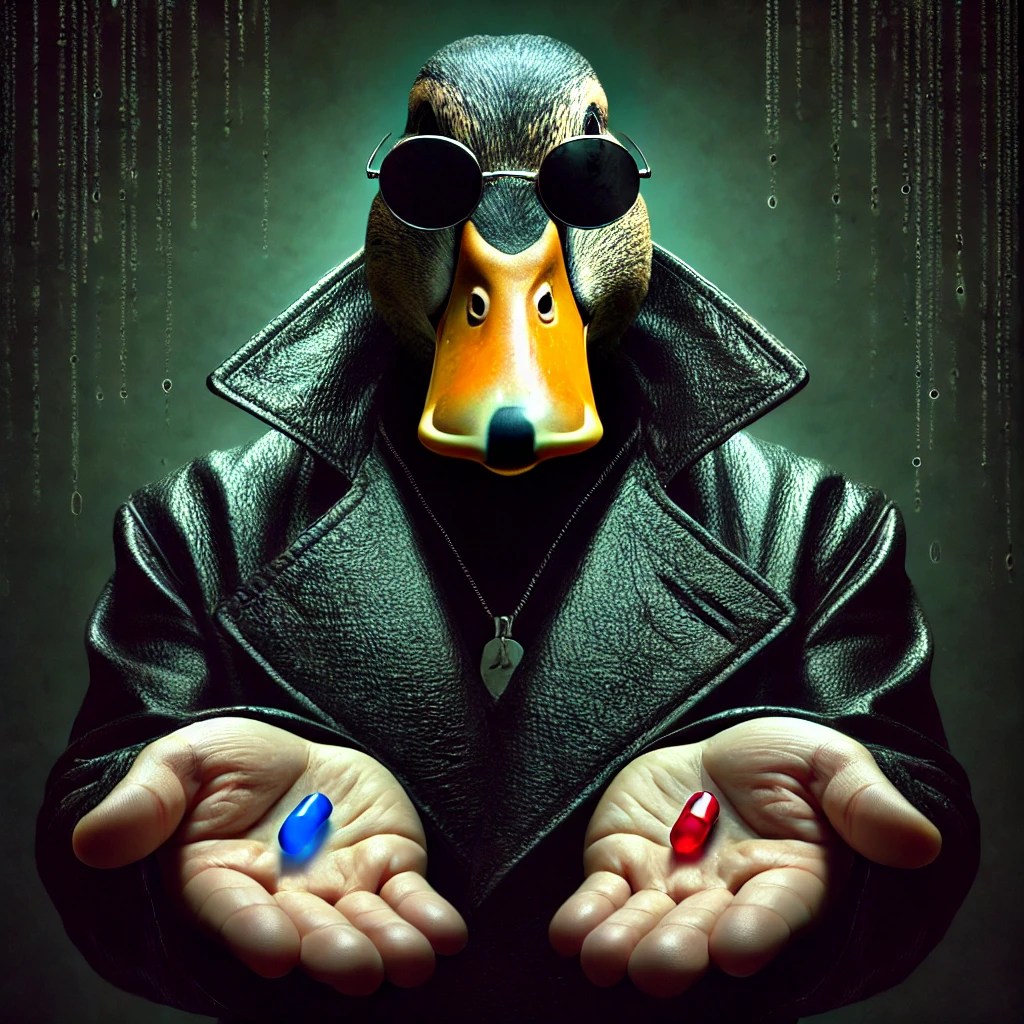
The placebo effect in the medical field is well-known, where patients experience symptom improvement simply because they believe the treatment they are receiving is effective, even if it has no active therapeutic properties. In psychotherapy, the placebo effect can play a significant role in treatment success when used appropriately. However, there is also the risk of abuse by practitioners of pseudo-psychology who exploit this effect unethically. The placebo effect operates through the patient's positive expectations and the therapeutic relationship, triggering biological and psychological responses that lead to real symptom improvement. This can be mediated by the release of neurotransmitters such as dopamine and endorphins, which can reduce pain and improve well-being. In psychotherapy, the placebo effect can be used ethically and effectively to enhance therapy benefits through building a trusting therapeutic relationship, therapeutic rituals, and positive suggestions. However, some practitioners abuse the placebo effect unethically and potentially harmfully by selling ineffective products, promoting unvalidated techniques, and emotionally manipulating patients. The placebo effect can be a valuable ally in psychotherapy when used ethically and informatively, but its abuse by pseudo-psychologists poses a real danger to patients. Education, awareness, and evidence-based practice promotion are essential to protect public mental health and ensure that the benefits of psychotherapy are safely and effectively accessible to all.

Pe scurt: de ce e greu să recunoști „psihobubu”
În acest articol, vom relua tematica dificultății de a recunoaște și evita practicile psihobubu.

De ce este atât de dificil pentru oameni să identifice „psihobubu”
În acest articol, vom explora de ce este atât de dificil pentru oameni să recunoască și să evite practicile psihobubu.
 psihobubu