

Efectul Dodo Bird sugerează că toate terapiile sunt egale în eficacitate, dar această idee încurajează pseudoștiința, care profită de relația terapeutică și speranța clienților. Terapiile validate științific integrează tehnici dovedite pentru soluționarea problemelor reale, oferind rezultate durabile, în contrast cu abordările nevalidate care pot agrava situația.
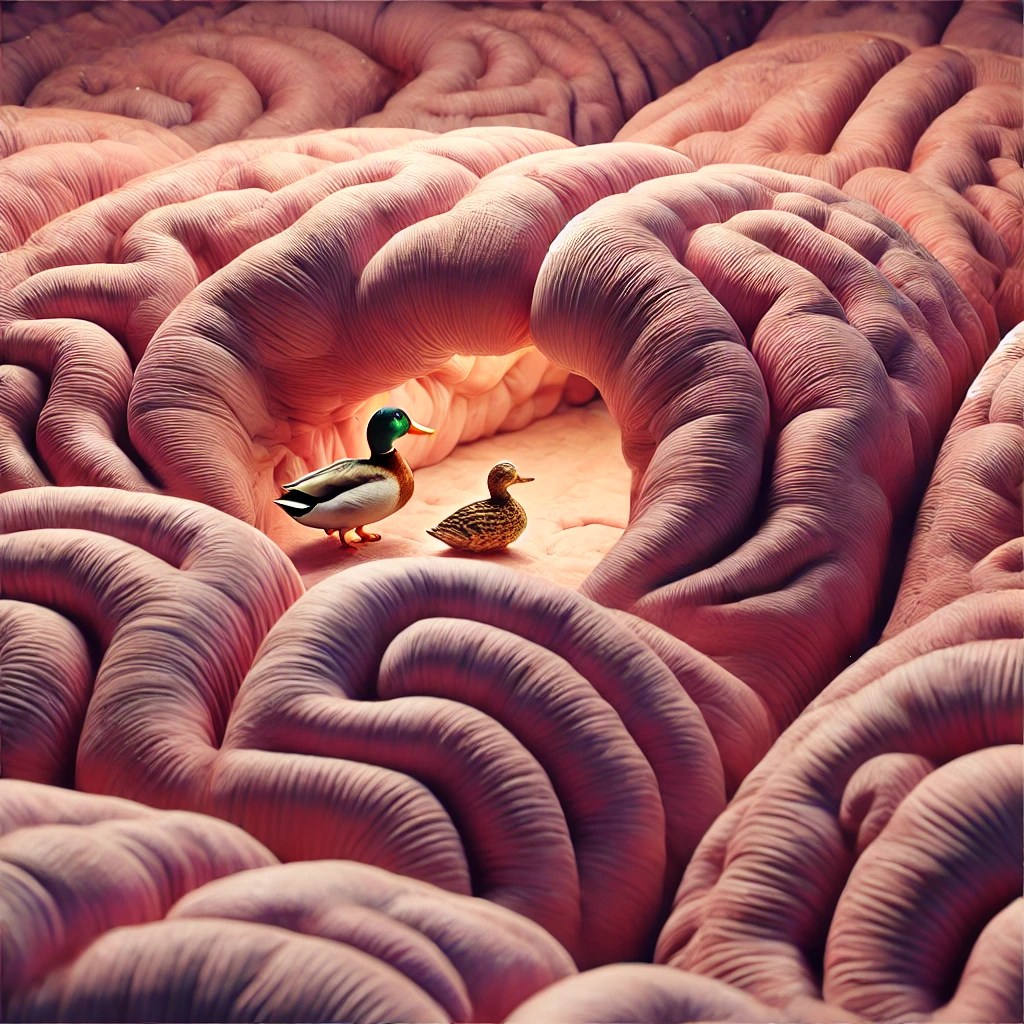
Mitul Triadic al Creierului: Creierul Replinian, Sistemul Limbic și Neocortexul
Modelul triarhic al creierului, propus de Paul D. MacLean, sugerează trei straturi: creierul reptilian pentru instincte primare, sistemul limbic pentru emoții și neocortexul pentru rațiune. Cercetările moderne contestă acest model, evidențiind interdependența funcțiilor cerebrale, subliniind că creierul este o rețea complexă, fără o ierarhie strictă.

Factorii Comuni în Terapie: Mitul „Tehnicii Magice” și Adevărul Dincolo de Cabinet
Articolul pune în discuție importanța relației terapeutice și a resurselor personale în procesul de terapie, evidențiind că tehnicile reprezintă doar 15% din succes. Majoritatea progresului depinde de client, care este principalul agent al schimbării. Conexiunea și sprijinul social sunt esențiale pentru o terapie eficientă.

Șarlatanie modernă: Cum un cuplu promite vindecarea cancerului prin „terapie energetică” pe TikTok
Investigația PressOne dezvăluie practici medicale neautorizate promovate de Mihai și Laura Onilă pe rețele sociale, care pretind că pot vindeca boli grave prin „terapie energetică”. Acestea nu au validare științifică și descurajează tratamentele convenționale, oferind astfel speranțe false și promovând șarlatania. Educația este esențială pentru protejarea pacienților.

Dezbaterea asupra psihoterapiei bazate pe dovezi: Construirea unui pod între știință și practică
The recent article by Moriana and Gálvez-Lara, published in Papeles del Psicólogo, delves deeply into the complex landscape of psychotherapies and psychological treatments, highlighting the ongoing debate between scientific evidence and clinical practice. It explores the tension between common factors and specific techniques, the rise of evidence-based treatments, challenges in applying randomized controlled trials in therapy, proliferation of pseudotherapies, and the gap between research and practice in psychology. The authors also address the challenges in defining and diagnosing mental disorders and propose recommendations to improve research and practice in psychotherapy. Overall, the article presents a balanced vision of the challenges facing clinical psychology and paves the way for a more evidence-based and clinically relevant psychotherapy.

Terapiile Blu Room: Exagerarea Efectelor și Realitatea Științifică
In an era of unprecedented technological and medical innovation, alternative therapies are gaining ground. One such therapy, the Blu Room, is promoted as a revolutionary method for improving well-being, mental and physical health. However, critical analysis reveals exaggerated claims with lacking scientific support. Blu Room therapy involves intense exposure to blue light in a controlled environment, purported to stimulate the body's natural healing processes. Supporters claim it can reduce stress, alleviate chronic pain, improve sleep, and even treat more serious conditions such as depression and anxiety. However, many of these claims lack robust scientific evidence and may present potential risks. Despite its potential allure, it is essential to approach Blu Room therapy with skepticism and demand clear, rigorous evidence before accepting its claimed effects, as promoting unvalidated therapies could pose risks to users' health.

Când Terapia Eșuează: Înțelegerea Amintirilor False și a Malpraxisului
Memoria, un fenomen fragil, poate crea amintiri false în terapie, afectând identitatea și relațiile. Sindromul Amintirilor False (FMS) provoacă confuzie, iar tehnicile de terapie pot contribui la aceste amintiri iluzorii. Este esențial ca terapeuții și clienții să fie conștienți de aceste riscuri pentru a asigura un tratament sigur și eficient.

Critica lui Nassim Nicholas Taleb asupra Psihologiei: Un Apel pentru Relevanța în Lumea Reală
În ultimii ani, Nassim Nicholas Taleb, cunoscut statistician și analist de risc, a devenit un critic proeminent al anumitor aspecte ale psihologiei, în special în aplicarea acesteia în luarea deciziilor și evaluarea riscurilor. Observațiile incisive ale lui Taleb pun la îndoială fundamentele cercetării psihologice și aplicațiile sale practice, cerând o abordare mai nuanțată și bazată … Continue reading Critica lui Nassim Nicholas Taleb asupra Psihologiei: Un Apel pentru Relevanța în Lumea Reală
 psihobubu