

Investigația PressOne a scos la iveală probleme legate de falsii psihoterapeuți din România, provocând Colegiul Psihologilor să se autosesizeze. CPR subliniază influența mass-media în promovarea acestor indivizi și necesitatea reglementărilor stricte. Dr. Cracsner a menționat complexitatea situației și importanța informării publicului cu privire la riscurile asociate.

Controversa „Academiei de psihoterapie” și constelațiile familiale
Investigația PressOne pune în lumină controversele legate de „Academia de psihoterapie”, care promovează „constelațiile familiale” ca tratament pentru boli grave, inclusiv cancerul. Metoda, nevalidată științific, atrage persoane vulnerabile, fiind asociată cu îndemnuri de a lua împrumuturi pentru a accesa cursuri costisitoare, ridicând semne de întrebare privind protecția consumatorului.
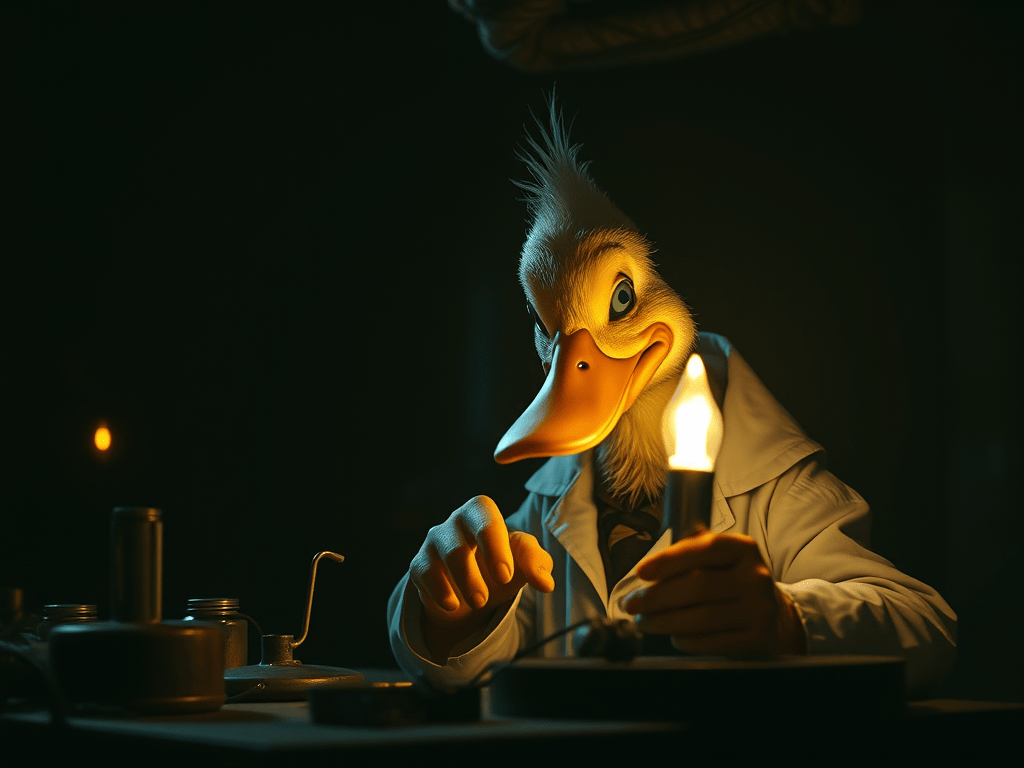
Malpraxisul în terapie: O abordare detaliată
Malpraxisul în psihoterapie implică erori grave ale terapeuților, precum diagnostice incorecte și încălcarea confidențialității, afectând negativ pacienții și reputația profesioniștilor. Consecințele includ agravarea stării pacienților și sancțiuni legale și etice pentru terapeuți. Respectarea standardelor înalte este crucială pentru a preveni aceste probleme și a menține credibilitatea în terapie.

Influencerii psihologici: O Privire Critică asupra Impactului și Eticii
Influencerii psihologici: O Privire Critică asupra Impactului și EticiiÎn era digitală, influencerii psihologici au câștigat o popularitate considerabilă, devenind surse principale de informații pentru milioane de oameni care caută sfaturi despre sănătatea mentală, dezvoltare personală și auto-ajutor. Deși, în aparență, acest fenomen pare a fi benefic, având potențialul de a sensibiliza publicul și de a … Continue reading Influencerii psihologici: O Privire Critică asupra Impactului și Eticii

Efectul Dunning-Kruger și rolul său în răspândirea dezinformării în psihologie
Efectul Dunning-Kruger, o prejudecată cognitivă bine cunoscută, explică de ce persoanele cu cunoștințe limitate tind să fie mult mai încrezătoare în abilitățile lor decât cele care sunt cu adevărat competente. Într-un context psihologic, acest efect contribuie la răspândirea dezinformării, deoarece persoanele necalificate, dar foarte sigure pe ele, pot influența opinia publică mai mult decât experții adevărați. Imaginea de mai jos ilustrează această dinamică, prezentând un individ încrezător, dar neinformat, pe un podium, în timp ce un expert ezitant stă în fundal.

Problemele din Psihologie: Provocări și Capcane pentru Profesioniști
The field of psychology faces challenges that can negatively influence the quality of patient care. These include the overrepresentation of alternative ideas on social media, the temptation to offer false hope, the pitfalls of social media networks, financial impact, and the limitations of modern psychology. It is crucial for psychologists to remain faithful to evidence-based practices and avoid promoting unscientific solutions.
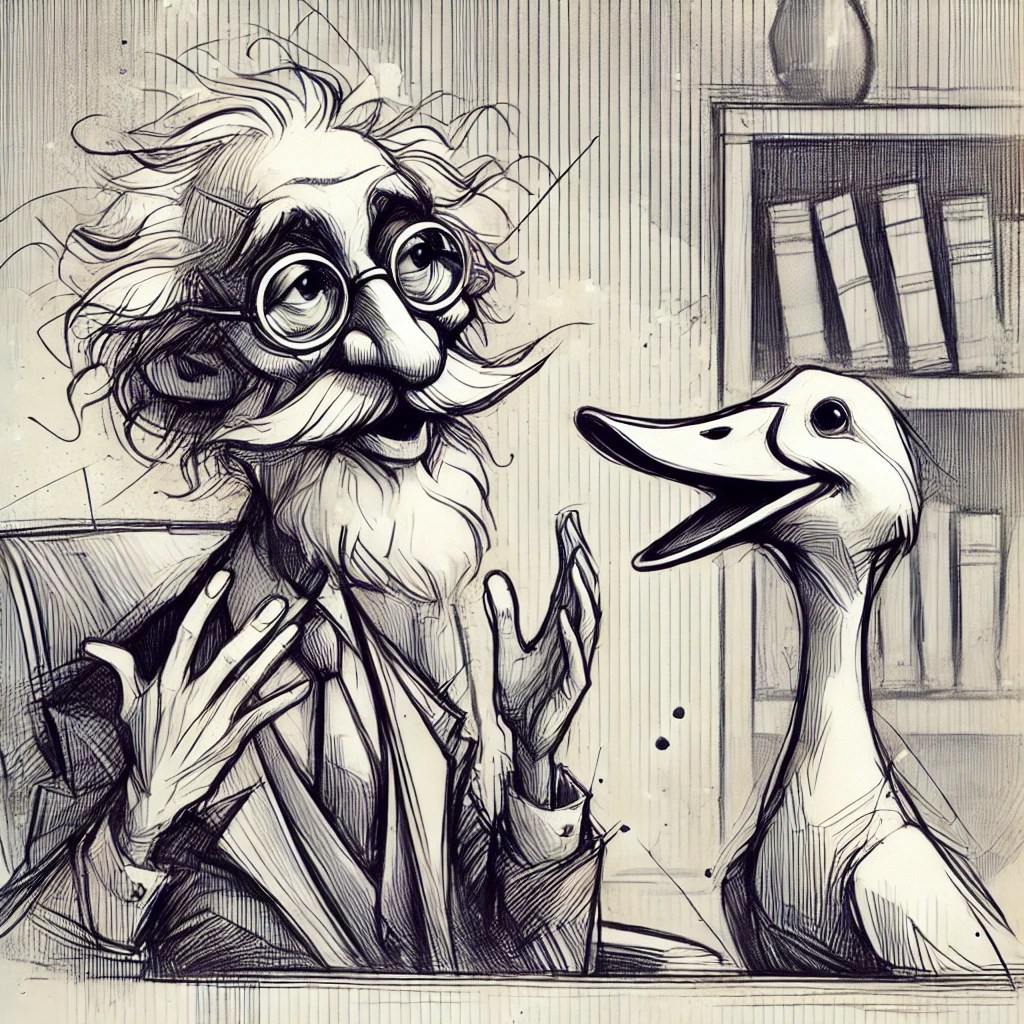
Proștii și fanaticii sunt mereu atât de siguri pe ei înșiși, în timp ce oamenii înțelepți sunt plini de îndoieli.
Bertrand Russell crede că proștii și fanaticii sunt siguri pe ei, în timp ce oamenii înțelepți sunt plini de îndoieli. Adevărata cunoaștere vine din recunoașterea limitelor și este important să ne păstrăm deschiderea și umilința pentru a ajunge la adevăr. Încrederea nejustificată înlocuiește adesea cunoașterea, iar pseudoștiința, ca psihobubul, exploatează acest lucru. Vigilență și educație sunt necesare pentru a combate influența negativă a acestora.
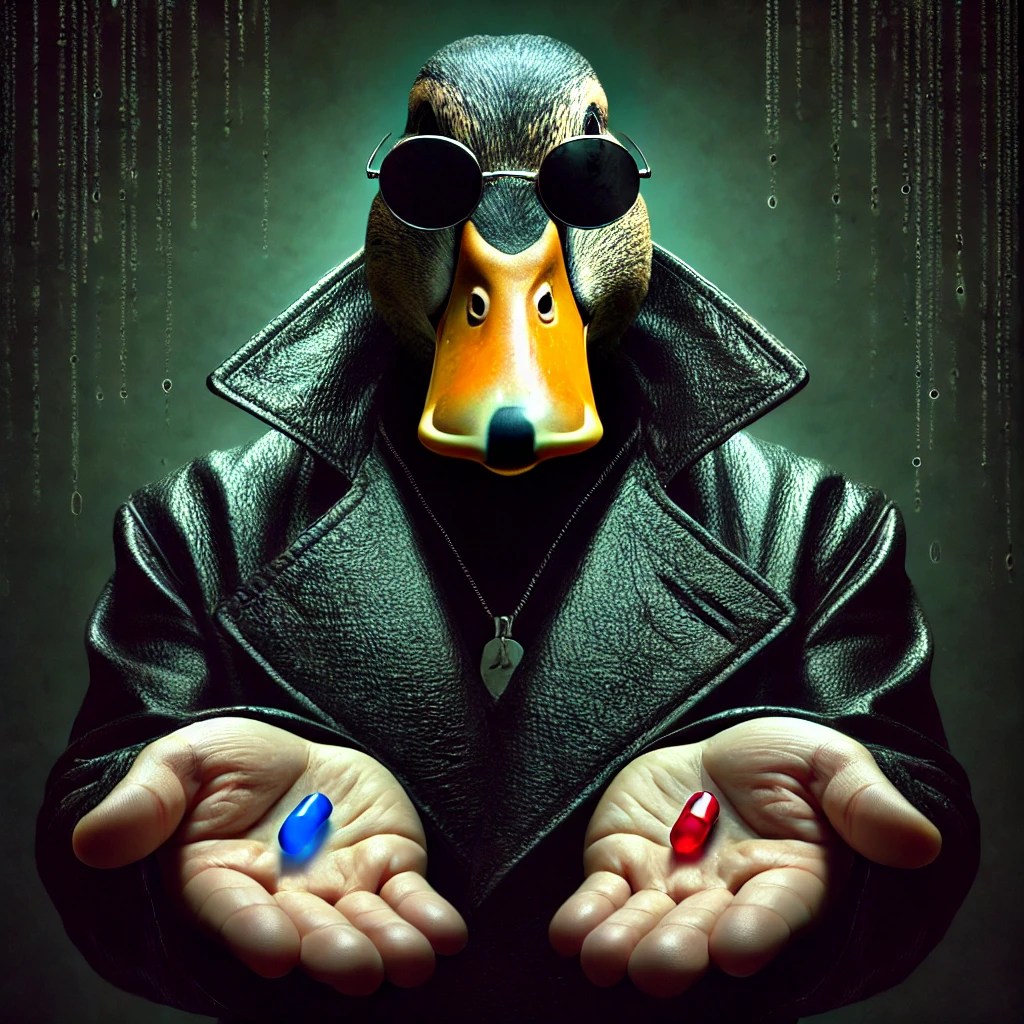
Efectul Placebo în Psihoterapie: Utilizare Corectă și Abuzuri
The placebo effect in the medical field is well-known, where patients experience symptom improvement simply because they believe the treatment they are receiving is effective, even if it has no active therapeutic properties. In psychotherapy, the placebo effect can play a significant role in treatment success when used appropriately. However, there is also the risk of abuse by practitioners of pseudo-psychology who exploit this effect unethically. The placebo effect operates through the patient's positive expectations and the therapeutic relationship, triggering biological and psychological responses that lead to real symptom improvement. This can be mediated by the release of neurotransmitters such as dopamine and endorphins, which can reduce pain and improve well-being. In psychotherapy, the placebo effect can be used ethically and effectively to enhance therapy benefits through building a trusting therapeutic relationship, therapeutic rituals, and positive suggestions. However, some practitioners abuse the placebo effect unethically and potentially harmfully by selling ineffective products, promoting unvalidated techniques, and emotionally manipulating patients. The placebo effect can be a valuable ally in psychotherapy when used ethically and informatively, but its abuse by pseudo-psychologists poses a real danger to patients. Education, awareness, and evidence-based practice promotion are essential to protect public mental health and ensure that the benefits of psychotherapy are safely and effectively accessible to all.
 psihobubu